
The IWC Ingenieur is more than just a watch; it is an icon of engineering and design, deeply rooted in the history of horology. With a legacy that stretches back to 1955, the Ingenieur has evolved through numerous iterations, from its original function as a professional tool watch to a symbol of luxury sports watchmaking. This article aims to provide an exhaustive overview of the IWC Ingenieur, exploring its origins, the monumental redesign by Gérald Genta, key reference models, and the technical innovations that have defined this collection. Additionally, we’ll delve into its limited editions, its cultural impact, and how it continues to be a highly sought-after piece among collectors and enthusiasts alike.
The Genesis of the Ingenieur (1955)
The Ingenieur was conceived during a period of rapid technological advancements. As engineers and scientists began working more frequently with electronic devices, the need for a wristwatch that could resist magnetic interference became apparent. IWC, with its long-standing reputation for precision and innovation, took on this challenge.
IWC Ingenieur: Key Reference Models
Here’s the key reference models from IWC Ingenieur’s history and evolution through the years:
1) Ingenieur 666 (1955-1963)
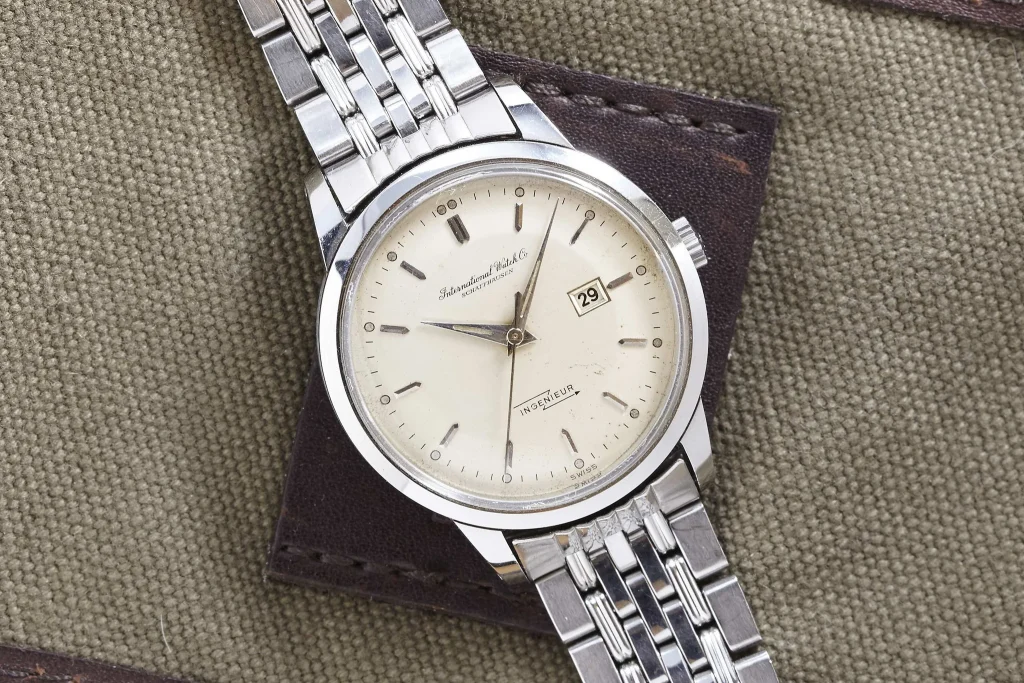
In 1955, IWC introduced the Ingenieur (Ref. 666), the brand’s first wristwatch with a self-winding movement that incorporated antimagnetic properties. The watch was powered by the Calibre 852/853, featuring the then-revolutionary Pellaton winding system. The design of the original Ingenieur was understated, with a focus on functionality rather than flamboyance. Its 36.5mm round case, screw-in crown, and simple dial made it a tool watch for professionals rather than a luxury item.
This watch was initially aimed at engineers, scientists, and technicians who worked in environments with high magnetic fields, such as research labs and industrial settings. The soft-iron inner case provided protection against magnetic fields up to 80,000 A/m, a remarkable feat at the time.
2) Ingenieur SL 1832 (1976-1980) – Genta’s Redesign
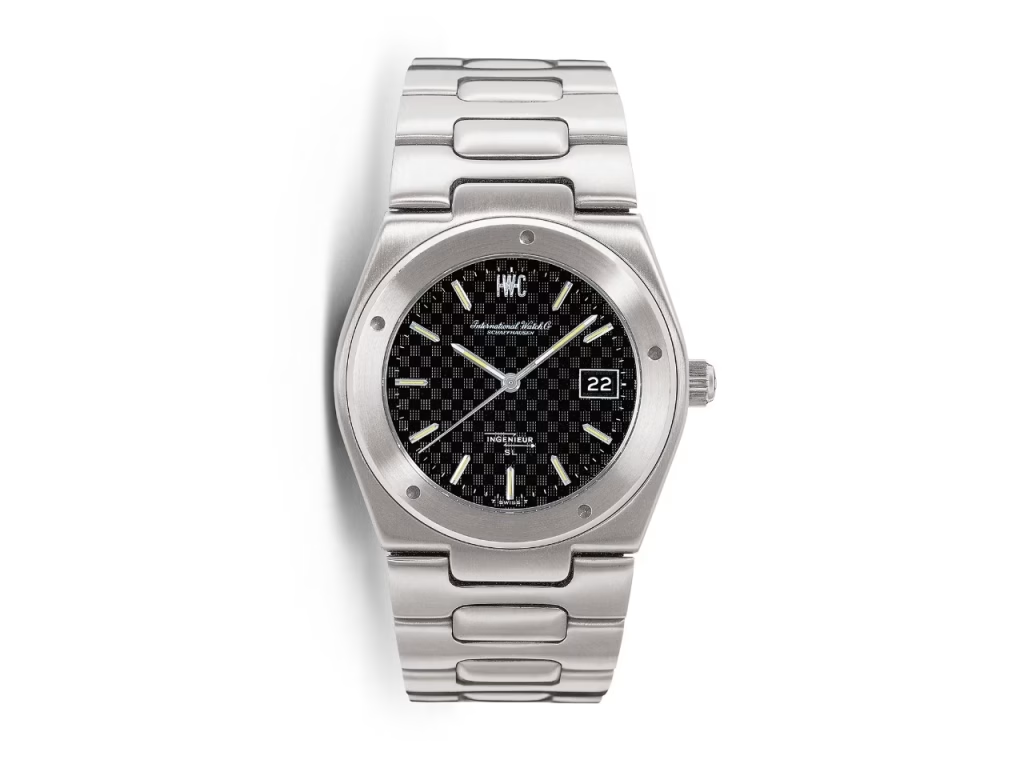
Gérald Genta’s redesign of the Ingenieur with the SL 1832, often referred to as the “Jumbo,” is one of the most pivotal moments in the history of IWC. Released in 1976, this model was a daring departure from the more conservative designs of the past. Genta infused the Ingenieur with a bold, industrial aesthetic that resonated with the era’s growing appreciation for luxury sports watches. The “Jumbo” nickname came from its substantial 40mm case size, which was considered oversized at the time, making a strong visual statement.
The integrated bracelet, a signature of Genta’s design philosophy, provided not only a seamless and elegant transition from the case to the wrist but also enhanced the watch’s robustness. The five recesses on the bezel, another Genta hallmark, added a unique character to the watch, making it instantly recognizable. This combination of luxury design elements with the ruggedness of a tool watch made the Ingenieur SL a forerunner of what we now know as the luxury sports watch category.
Despite its innovative design, the Ingenieur SL 1832 was not an immediate commercial success, partly due to the quartz crisis that was sweeping the watch industry at the time. However, this lack of early commercial success has only fueled its desirability among collectors today. Limited production numbers and the growing appreciation for Genta’s design legacy have made the Ingenieur SL 1832 one of the most coveted models in the Ingenieur line, a true collector’s gem that represents both the boldness of the 1970s and the timeless appeal of Genta’s genius.
My take on Genta’s Redesign
“I think that Gérald Genta’s redesign of the Ingenieur in the 1970s is nothing short of a masterclass in watch design. By introducing elements like the integrated bracelet and the unique bezel with five recesses, Genta transformed the Ingenieur from a purely functional tool watch into a style icon. What I find most compelling about this redesign is how it managed to retain the watch’s core identity—robustness and technical precision—while also making it visually distinctive and highly desirable in the luxury sports watch market.”
3) Ingenieur 3508 (1989)
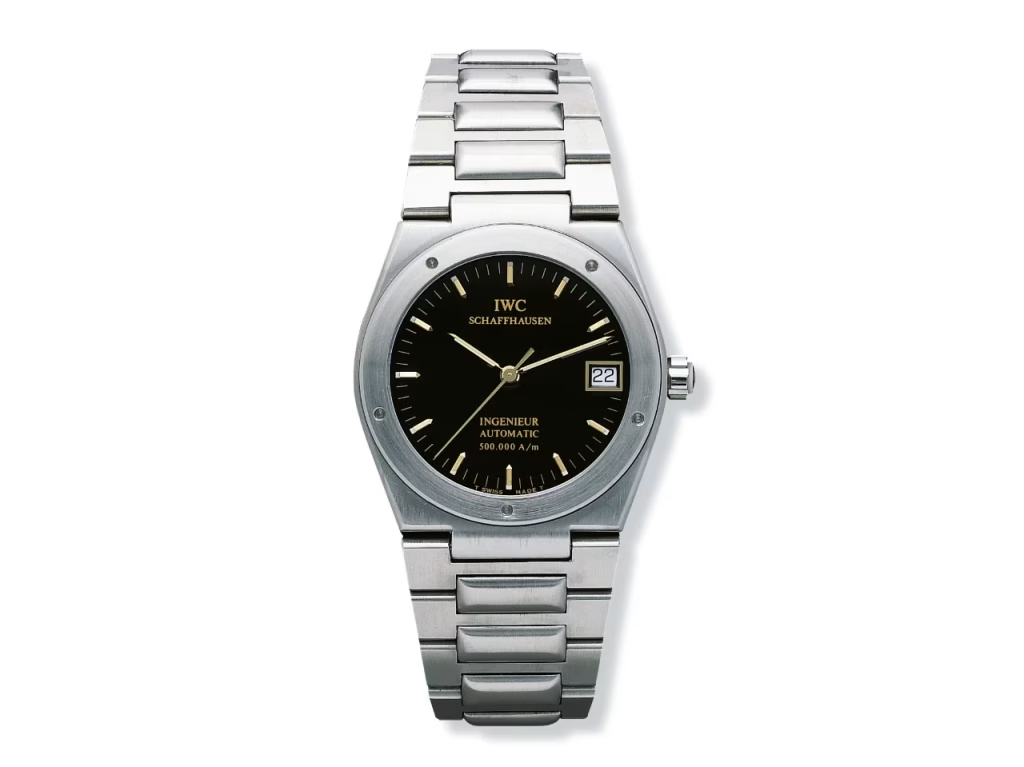
The Ingenieur 3508, often dubbed the “Ingenieur 500,000 A/m,” represents a significant technical achievement in the history of the IWC Ingenieur line. Introduced in 1989, this model was designed during an era when IWC was pushing the boundaries of anti-magnetic watchmaking. The 3508 was engineered to withstand incredibly high magnetic fields—up to 500,000 A/m—thanks to its innovative use of materials and design.
At the heart of this model was the use of a hairspring made from a niobium-zirconium alloy, a cutting-edge material that provided unparalleled resistance to magnetism. This advanced alloy was incredibly difficult to manufacture, showcasing IWC’s commitment to pushing the limits of watchmaking technology. The watch was also equipped with a soft-iron inner case that provided an additional layer of protection, ensuring that the movement would continue to function accurately even in environments with extreme magnetic interference.
The Ingenieur 3508 was not just a technical marvel but also a practical tool for professionals who worked in highly magnetic environments, such as scientists, engineers, and medical professionals using MRI machines. Despite its robust capabilities, the 3508 maintained the classic, understated design that the Ingenieur line was known for, making it both a functional instrument and a stylish accessory.
Today, the Ingenieur 3508 is highly regarded by collectors and enthusiasts for its innovative engineering and its role in solidifying the Ingenieur’s reputation as the ultimate professional tool watch. Its combination of rarity, technical sophistication, and historical significance has made it a coveted piece among IWC aficionados.
4) Ingenieur AMG and Subsequent Models (2005-Present)

In 2005, IWC launched the Ingenieur AMG collection, marking a significant evolution in the Ingenieur line through a partnership with Mercedes-AMG, the high-performance division of the luxury car manufacturer. This collaboration brought a modern, sporty aesthetic to the Ingenieur, reflecting AMG’s reputation for precision engineering and powerful performance. The introduction of titanium cases was particularly notable—titanium being a material prized for its lightweight yet durable properties, aligning perfectly with the robust nature of the Ingenieur. The titanium cases also provided a sleek, matte finish, giving the watches a contemporary look that was both rugged and stylish.
The Ingenieur AMG models retained the technical robustness that the line was known for, with features like integrated shock protection and anti-magnetic properties, ensuring that they could withstand the demands of high-performance environments. Over time, IWC expanded the Ingenieur line to include models with ceramic cases, offering even greater scratch resistance and durability. The use of ceramic, alongside titanium, highlighted IWC’s commitment to incorporating advanced materials into their watchmaking process.
In addition to material innovations, the Ingenieur line has also seen the introduction of more complex complications, such as perpetual calendars and chronographs, further enhancing the line’s appeal to collectors and enthusiasts. These modern iterations have successfully blended the Ingenieur’s historical emphasis on engineering excellence with contemporary design trends, making the Ingenieur AMG and subsequent models a bridge between the past and the future of the Ingenieur legacy.
These developments have ensured that the Ingenieur remains a relevant and sought-after collection within IWC’s lineup, appealing to both traditionalists who appreciate the line’s heritage and new customers drawn to its modern, sporty edge.
Technical Characteristics and Innovations
The IWC Ingenieur is celebrated not just for its iconic design but for the remarkable technical advancements that have characterized its evolution over the decades. From pioneering anti-magnetic technology to innovative movement engineering, the Ingenieur has consistently pushed the boundaries of what a wristwatch can achieve. In this section, we will explore the key technical characteristics and innovations that have defined the Ingenieur, making it a staple in the collection of any serious watch enthusiast. These innovations highlight IWC’s commitment to precision, durability, and the relentless pursuit of horological excellence.
“The true beauty of the Ingenieur lies in its perfect fusion of form and function. It’s a watch designed not just to be admired but to perform under the most demanding conditions, making it a marvel of engineering.” – George (yes, I am quoting myself, haha).
The Pellaton Winding System
A cornerstone of the Ingenieur’s early success was IWC’s proprietary Pellaton winding system, developed by Albert Pellaton, the brand’s technical director in the 1950s. Unlike conventional winding mechanisms, which typically employ ratchet wheels, the Pellaton system utilizes a pawl-winding mechanism, which allows the movement to wind efficiently in both directions. This innovation not only enhanced the durability of the movement but also made the watch more reliable, a critical feature for professionals who depended on precise timekeeping in challenging environments. The Calibre 852/853, which powered the original Ingenieur, remains a celebrated example of this technology.
Anti-Magnetic Capabilities
The Ingenieur was among the first civilian watches to offer significant protection against magnetic fields, thanks to its soft-iron inner case. This feature became a signature of the Ingenieur line, making it the watch of choice for professionals working near strong magnetic fields, such as engineers, scientists, and even pilots. Over the years, IWC continued to improve this capability, culminating in the Ingenieur 3508, which could withstand up to 500,000 A/m, a testament to IWC’s commitment to technical excellence.
Materials Used: Titanium, Ceramics, and Beyond
In the early 2000s, IWC began experimenting with new materials, particularly in collaboration with Mercedes-AMG. The Ingenieur AMG models introduced titanium cases, offering a lighter, more durable alternative to traditional steel. This was followed by the introduction of ceramic cases, which are virtually scratch-proof and resistant to extreme conditions. These innovations kept the Ingenieur line at the forefront of modern watchmaking, blending traditional craftsmanship with cutting-edge technology.
Modern Ingenieur Models
As the watchmaking industry has evolved, so too has the IWC Ingenieur. While the original models were primarily focused on functionality and durability, the modern interpretations of the Ingenieur have expanded upon these foundations, embracing new materials, refined designs, and advanced complications.
These contemporary versions continue to honor the Ingenieur’s heritage, yet they are distinctly suited to the tastes and demands of today’s luxury watch market.
1) The Ingenieur Automatic (Ref. 3227, 2005)

In 2005, IWC revisited the Ingenieur’s design, aiming to balance the technical rigor of the original models with a modern aesthetic appeal. The Ref. 3227 featured a robust 42.5mm case, maintaining the integrated bracelet and the signature five recesses on the bezel. It was powered by the Calibre 80110, which included a shock-absorption system to protect the movement from impacts, further reinforcing the watch’s reputation as a durable tool watch. This model also marked the return of the Ingenieur’s focus on antimagnetic properties, offering protection up to 80,000 A/m.
2) Ingenieur Double Chronograph Titanium (Ref. 3865, 2013)
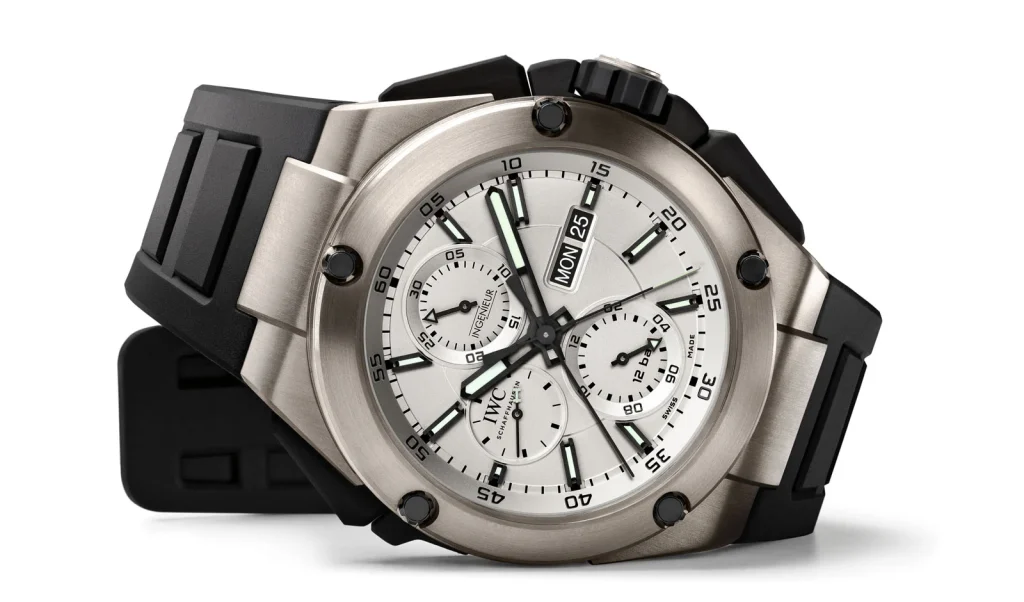
In 2013, IWC expanded the Ingenieur line with the Double Chronograph Titanium, a watch that combined the ruggedness of the Ingenieur with the complexity of a double chronograph function. The use of titanium made the watch lighter and more comfortable to wear, while the matte black finish gave it a distinctly modern look. This model exemplified IWC’s approach to integrating advanced complications into the Ingenieur line, making it a versatile timepiece that could function equally well in professional and casual settings.
Ingenieur Automatic 40 (2023)
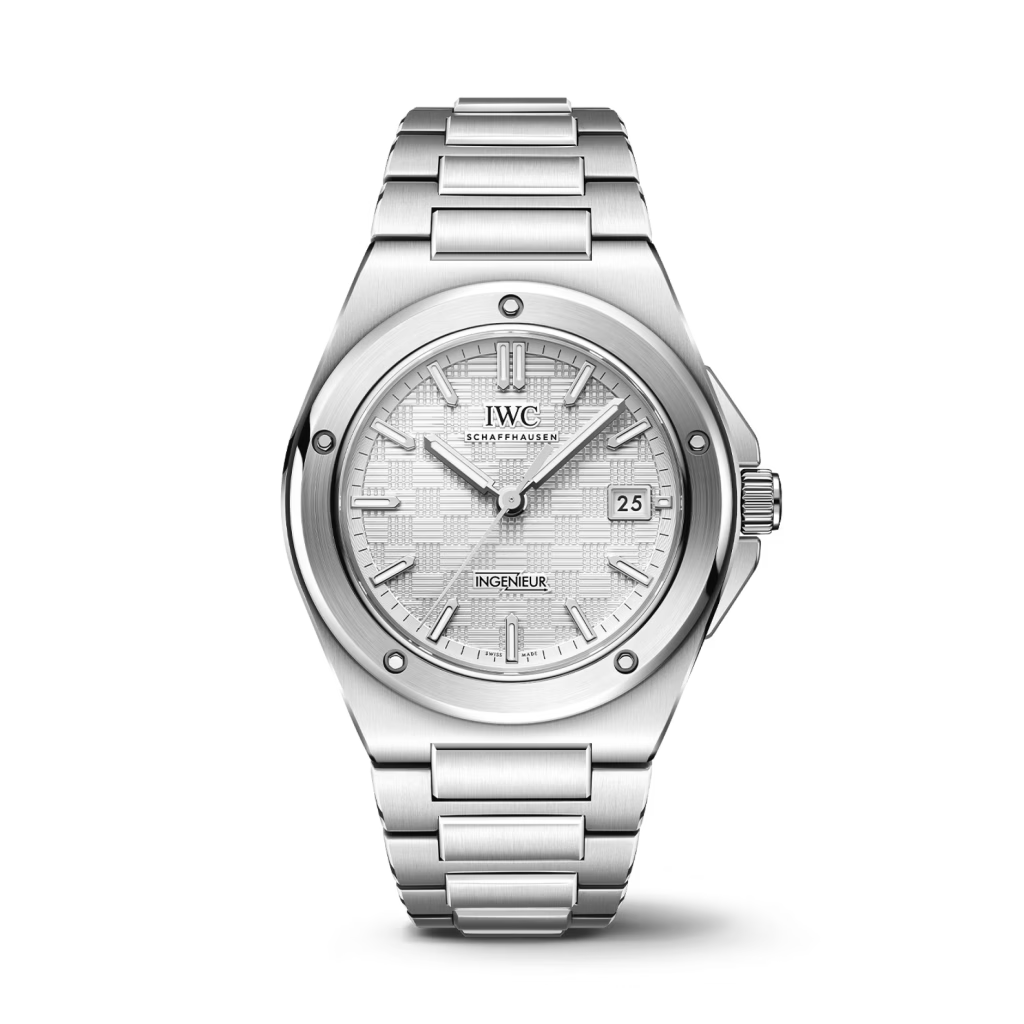
The most recent iteration of the Ingenieur, the Automatic 40, was unveiled in 2023 as a tribute to Gérald Genta’s original 1976 design. This model features a 40mm case, available in stainless steel and titanium, and incorporates modern watchmaking advancements such as improved ergonomics and material innovations. The dial design, with its integrated bracelet and the iconic five recesses, harks back to the original SL model, blending classic design with contemporary functionality. This model has been praised for staying true to Genta’s vision while updating the watch for modern tastes and technological standards.
Limited Editions and Collectability
Limited editions and special versions of the IWC Ingenieur have played a significant role in enhancing the watch’s allure among collectors and enthusiasts. These models often feature unique materials, design elements, or complications that set them apart from the standard offerings, making them highly sought after. Each limited edition tells a story, often celebrating milestones, partnerships, or paying tribute to historical models. The rarity and distinctiveness of these editions not only elevate the Ingenieur’s status but also contribute to its legacy as a collectible timepiece.
My Take on Limited Editions:
“The allure of limited editions within the Ingenieur line lies not just in their rarity, but in the stories they tell. Each limited edition is a celebration—whether it’s a nod to a historical model, a collaboration with a brand like AMG, or a showcase of IWC’s technical prowess. For collectors like myself, these editions are more than just watches; they are pieces of art that encapsulate a moment in time, making them deeply personal and incredibly rewarding to own.”
1) Ingenieur Perpetual Calendar Digital Date-Month (2017)
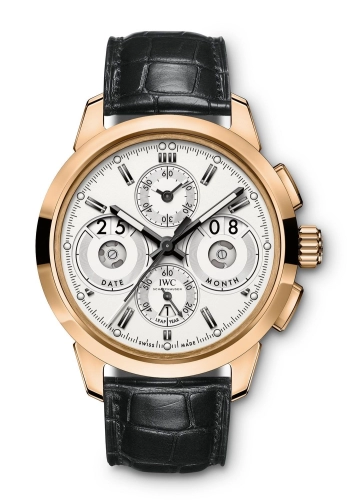
In 2017, IWC released the Ingenieur Perpetual Calendar Digital Date-Month, a limited edition that showcased the brand’s expertise in creating complex mechanical complications. This model featured a 45mm case made from titanium aluminide, a material known for its lightweight properties and resistance to corrosion. The perpetual calendar function, combined with a digital date and month display, made this one of the most sophisticated Ingenieur models ever produced. Limited to just 100 pieces, this watch is highly coveted by collectors.
2) Ingenieur AMG Black Series Ceramic (Ref. 3225, 2013)
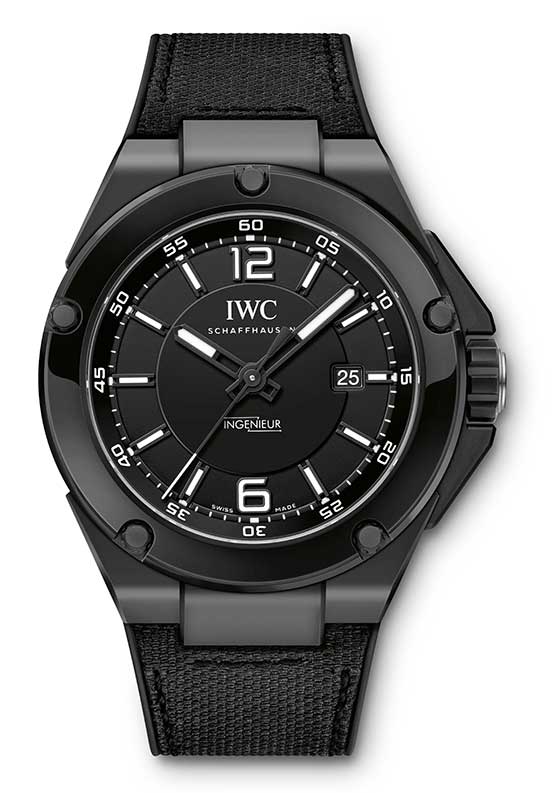
The AMG Black Series Ceramic was another standout limited edition, combining the technical prowess of the Ingenieur with the high-performance ethos of Mercedes-AMG. The watch featured a 46mm ceramic case, a material chosen for its hardness and resistance to scratches. The design was inspired by the AMG Black Series cars, known for their aggressive styling and powerful performance. This model exemplified the synergy between IWC and AMG, blending the worlds of luxury watchmaking and high-performance automotive engineering.
The Ingenieur in Pop Culture and Anecdotes
The IWC Ingenieur has not only made its mark in the world of horology but also in popular culture. It has been spotted on the wrists of several celebrities, athletes, and professionals, further cementing its status as an iconic timepiece. For instance, the Ingenieur has been seen on the wrist of F1 champion Lewis Hamilton, an ambassador for IWC. The association with high-performance motorsports through the AMG partnership has also enhanced the watch’s image as a symbol of precision and power.
Anecdotes from watch enthusiasts and collectors often highlight the Ingenieur’s durability and reliability. One story that frequently circulates in watch forums involves a geophysicist who wore his Ingenieur during fieldwork in highly magnetic environments. Despite the challenging conditions, the watch remained unaffected, keeping accurate time and demonstrating the effectiveness of its anti-magnetic properties.
The Ingenieur of Today
Today, the IWC Ingenieur continues to evolve, combining its rich history with modern innovations. The 2023 Automatic 40 is a testament to the enduring appeal of the Ingenieur, offering a timepiece that is both a nod to its illustrious past and a beacon of modern watchmaking. With its blend of technical excellence, robust design, and cultural significance, the Ingenieur remains a cornerstone of IWC’s collection and a favorite among collectors and enthusiasts alike.
From its inception as a tool watch for professionals to its current status as a luxury sports watch, the IWC Ingenieur has navigated the challenges of changing times with resilience and style. Whether you’re a seasoned collector or new to the world of fine watches, the Ingenieur offers a unique blend of history, innovation, and timeless design.
0 Comments